Convert every area to one unit and keep the original measurement beside it. One square yard equals nine square feet. A length alone cannot describe the area.
Read the units on the sheet
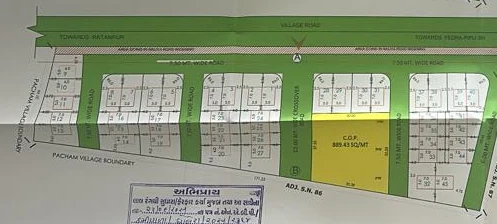
A road labelled 12 m gives a width. A common plot labelled in square metres gives an area. On a folded layout, read the schedule heading before copying a dimension into your comparison.
Choose a working unit
To convert square yards to square feet, multiply by nine. To convert square feet to square yards, divide by nine. Round only the final figure and retain the source value when discussing a quote.
Look beyond the total
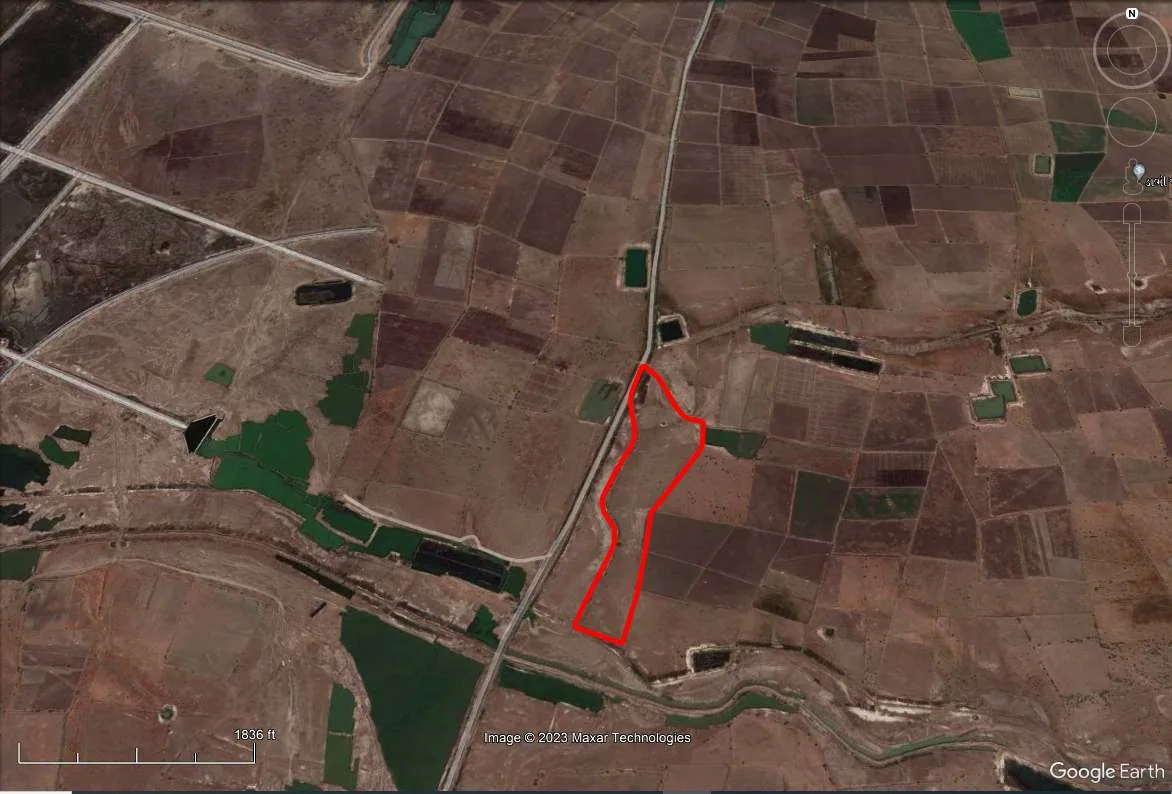
Ask for the boundary lengths and a survey drawing. Two sites of equal area may have different frontage, turning space or usable depth. Irregular parcels need their surveyed area rather than a rectangle estimate.
Keep shape beside the area
An area total describes how much land a boundary encloses. It does not describe frontage, usable depth or the way an irregular edge meets a road. Ask for a legible survey drawing showing boundary lengths and the area schedule. Save the original unit beside every conversion you calculate.
Compare the land you can use
For a proposed building, discuss the shape, access position and relevant planning conditions with your architect. Ask which areas are included in the quoted measurement and how roads or shared spaces are treated in the offered layout. A sketch that resembles a rectangle needs to be checked against the measured boundary before multiplying two sides.
A measurement example from the files
Survey 305 provides the most direct unit comparison in the supplied materials. Its cover pairs 29,514 yards with 265,626 feet, which follows the nine-to-one relationship between square yards and square feet. Use that cross-check for area interpretation and obtain the current signed measurement for the actual unit offered.